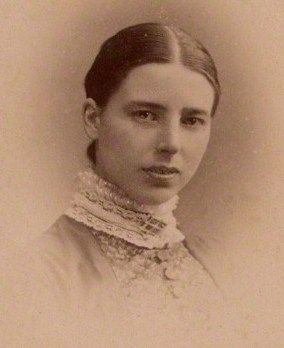
 Catherine "Kate" Potter (later Baroness Courtney of Penwith, April 4, 1847 - February 26, 1929) was a prominent British social worker, suffragist, and international peace
activist.
Catherine "Kate" Potter (later Baroness Courtney of Penwith, April 4, 1847 - February 26, 1929) was a prominent British social worker, suffragist, and international peace
activist.Queer Places:
15 Cheyne Walk, Chelsea, London SW3 4HH
Chelsea Old Churchyard, 64 Cheyne Walk, London SW3 5LT, United Kingdom
Catherine "Kate" Potter (later Baroness Courtney of Penwith, April 4, 1847 - February 26, 1929) was a prominent British social worker, suffragist, and international peace
activist.
Born to the wealthy industrialist Richard Potter and Lawrencina Heyworth, Catherine was the second of nine daughters—a famous group of sisters (Lawrencina, Mary, Georgina, Blanche, Theresa, Margaret, Beatrice, Rosalind) that included the social reformer Beatrice Webb.
Rejecting the social expectations of high society and resisting arranged marriages, Kate moved to London in 1875 to pursue social work. She trained with the Charity Organization Society in Whitechapel and worked closely with social reformers Octavia Hill, Samuel Augustus Barnett, and Henrietta Barnett. For nearly a decade, she served as a rent collector and housing manager in the East End, running youth clubs and managing model dwellings—work so impactful that a housing complex in Aldgate was named Katharine Buildings in her honor.
In 1880, Kate met Leonard Courtney, a Liberal MP, government minister, and prominent anti-war politician. They married on March 15, 1883.
Together, they formed a deeply collaborative political partnership centered on radical Liberal and Quaker values:
Kate became an active suffragist and a leader in the Women's Liberal Unionist Association.
During the Second Boer War, Kate and Leonard founded the South Africa Conciliation Committee (1899) to oppose British military aggression. Following World War I, she actively campaigned against the Allied blockade of Germany to relieve humanitarian suffering.
As part of the wider legacy studied in 20th-century gender history (most notably Barbara Caine’s Destined to be Wives: The Sisters of Beatrice Webb), Kate and her sisters frequently challenged Victorian domestic norms.
Before her marriage, Kate chose independent communal living arrangements in Westminster alongside other women social workers. Her life was marked by intense emotional, same-sex friendships and female solidarity, forming deep networks of mutual support among unmarried women who sought purpose outside traditional patriarchal marriage structures.
References:
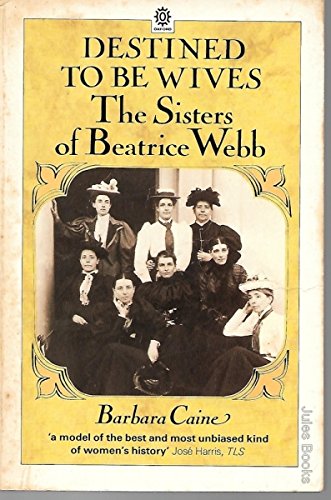 Destined to be Wives: The Sisters of Beatrice Webb by Barbara Caine |
Other references:
Support this project
This website is a passion project researched, developed, and funded entirely by me. If you find the content valuable and would like to help support the ongoing research and hosting costs, any contribution is deeply appreciated.
Thank you for keeping this independent resource alive!
My books on Amazon: Elisa Rolle's books